





















Found a good "Food & Water: Foraging for Survival" link? Let Us Know!
| Plants |
Poison Plants |
Insects | Water | Misc. |
Online Databases |
|
Individual Species |
Individual Species |
<< Top row for general articles (this page), this row for individual data (link). | |||
Just wanted to recommend a great book to link to that is available online for free reading... It's called: "By the Prophet of the Earth: Ethnobotany of the Pima." It contains very detailed info on the Pima's usage of southwest desert plants (specifically the Sonoran desert) for food, shelter, medicine, cordage, soaps & shampoos, and every other thing you could possibly imagine. the author of the book is L.S.M. Curtain and was originally published by the University of Arizona but is available for free at:
http://www.uapress.arizona.edu/onlinebks/prophet/plants.htm
Wild Plants with Edible Tubers, Bulbs or Roots:
The plant life of the New World was always a subject of keen interest to the
early explorers, whose narratives not only abound in quaint allusions to the new
and curious products of Flora that came under their notice, but also record for
many of our familiar plants uses that are a surprise to most modern readers.
Blueberries:
(ASG) A compilation of information regarding the medicinal and nutritional
properties of the blueberry.
Basic
Facts About Forage Plants: Another series of hints and tips from that crazy French Canadian, Richard.
Why
Study Wild Edible Plants? (PDF) 12 good
reasons to study and know the wild plants in your area.[link
recovered 4/7/11 - now onsite]
Wild
Edible Plant Nutrition (PDF) Nice table with the more common wild edible
plants listed.[link recovered 4/7/11 - now onsite]
Cattail Pollen Pancakes
by Susan Witmore: Searching for another food adventure, but not quite up for road kill quiche? Cattail pollen can satisfy a wild appetite without provoking the least bit of squeamishness. Its bright yellow color has eye appeal. The flavor is pleasant. Allergic to pollens? Well, there are all kinds of pollen, so if gathering the stuff doesn't cause you to take out your inhaler, you probably have nothing to worry about.
Nature's General Store- The Yuccas and Agaves
By Christopher Nyerges © 2003: The wilderness provides virtually all of our needs if we have trained our brain and eyes to see what is before us, and if we have learned to identify actual needs (as opposed to whims and wants). A knife and a tool to make fire provide us with the means to produce most of our needs. In addition to a knife and firestarter, I always like to carry a small ball of very versatile twine. Strange as it may sound, a piece of twine or rope could make the difference between life and death. Fortunately, many plants in the wilderness provide us with ample
fiber for making rope and twine.
see also: Hemp Dogbane
The Life - Saving Birch Tree
(PDF)
Many people can recognize the graceful Birch tree with its peeling bark.
Take note of this information, it could save your life. Birch bark can be used
to start a fire in wet weather, the under layer of bark can be eaten, cooked or
raw, and you can even take birch syrup from the tree. -Paul (SurvivalPrimer)
[link recovered 4/7/11 - now onsite]
Useful Plants of California (1)
and Part 2 and
Part 3
2003
Edible Wild Plants, Angier-Trail Guide text document see also:
2003
Medicinal Plants
FORAGING FOR A HEALTHIER PLANET
(PDF) Nature was the original supermarket
Common Ground
Magazine May, 2006 [link recovered 4/7/11 - now onsite]
EDIBLES
IN THE PARK Find out how to forage for health, fun, and a fresh connection with nature.
Fit
Magazine May, 2006
WILD IN THE KITCHEN A master forager shares his secreted ingredients.
Veggie
Life Magazine Summer 2005
DISCOVERING WILD FOODS Natural Health and Beauty Magazine December, 2004
WEED
EATERS: WILDMAN GOES FORAGING Environmental
News Network, June 22, 2000
Wapato:
Indian Potato by
John Kallas (PDF) Wapato (Sagittaria latifolia), one of the few Native American
names that we still use, is also known as arrowhead, arrowleaf, duck potato, and
Indian potato. It is not known as arrowroot. Sagittaria latifolia and Sagittaria
cuneata can be found in swamps all over North America. They both produce edible
tubers. In the northwest, both the plant and the tubers it produces are referred
to as wapato. This was originally a northwestern regional name, but has now
gained widespread use.[link recovered 4/7/11 - now onsite]
The
Versatile Sumac by Jim Lowery
(PDF) Three sumac species, lemonade berry (Rhus integrifolia), sugar bush (Rhus
ovata) and basket bush (Rhus trilobata) are closely related shrubs
common to Southern California, occurring in the coastal sage scrub, chaparral,
and oak woodland below about 2,500 feet. All have tiny flowers with five petals
and five sepals clustered at the ends of the stems. The flowers of lemonade
berry are white to pink; those of sugar bush are white; and those of basket bush
are yellow. The fruits of all three are red, hairy, and sticky. The sumacs can
all be used for medicine and food in essentially the same ways.
[link recovered 4/7/11 - now onsite]
Prickly
Pear Cactus by Christopher Nyerges (PDF) Imagine a plant which
can provide you with several year-round foods, as well as a sweetener, an ice
cream flavoring, a red dye, a hair conditioner, flour, and still be a drought
tolerant burglar fence. This versatile plant is the prickly pear cactus,
providing food, medicine, dye, and landscaping. It is not isolated to remote
Arizona deserts, but is found throughout the United States.
[link recovered 4/7/11 - now onsite]
Fragments
of the Past Archaeological Insights to Processing Hickory Nuts
by Bob Campbell (PDF) In the charred remains of ancient hearths at Stone Age campsites across eastern North America, the remains of hickory nuts are commonly found. Once crucial to the survival of Stone Age bands of hunters and gatherers, the hickory nut is now all but forgotten.[link
recovered 4/7/11 - now onsite]
COMMON
DANDELION (Taraxacum officinale)
The dandelion is a perennial, herbaceous plant with long, lance-shaped leaves.
They’re so deeply toothed, they gave the plant its name in Old French:
Dent-de-lion means lion’s tooth in Old French.
Japanese
Knotweed (Polygonum cuspidatum) In the early spring, Japanese knotweed looks like an army of
nondescript fat, red stalks emerging from the ground. The tough leaves are often
too undeveloped to give the beginner much of a clue to the plant's identity.
Fortunately, you can use last year's dead plants to give you a positive
identification.
Chickweed
(Stellaria species) Add common and star
chickweed raw to salads. Mouse-ear chickweed is too coarse to use raw. You have
to cook it. Chickweed, which gets its name because chickens love it, tastes
similar to spinach. Include any of the species in soups or stews, but cook no
more than five minutes to prevent overcooking. Unlike most other edible, wild
plants, chickweeds stems as well as the leaves are good to eat.
How
to Study, Gather, and Use Edible Wild Plants and Herbs in Early Spring
How does early spring foraging compare to hunting for wild foods at other times
the year? Certain principles apply to all seasons, while other situations are
unique to each season.
Foraging and Ecology Wouldn't plants face mass extinction if everyone took up
foraging? This specious argument is put forth by people who presuppose humans to
be apart from, not a part of nature. If you've educated yourself sufficiently to
identify edibles and to avoid poisonous plants, you're certainly not going to
extinguish your objects of study. When an edible is sparse, you'll let it
regenerate, while searching for it in another location, where it may be in great
abundance.
Shepherd's Purse (Capsella bursa-pastoris) Shepherd's purse is a mustard.
Like it's relatives, it has tiny, four-petaled flowers. The flowers are arranged
like a cross, and the flowers appear in long, vertical clusters. While some
mustards have yellow flowers, shepherd's purse's are white.
MULLEIN,
JACOB'S STAFF, FLANNEL-LEAF (Verbascum thapsus) After exposure to countless associations between this common,
widespread medicinal herb and Native American culture, I mistakenly thought this
herb was native. I was astonished when I finally learned that mullein is
Eurasian: After its early arrival on these shores, the Indians adapted it. They
had discovered the same healing properties that made it a mainstay in European
folk medicine for thousands of years.
NETTLES
(Urtica species, Laportea canadensis) People have been using nettles for food, medicine, fiber, and dyes since the
Bronze Age. Collect them using work gloves, and wear a long-sleeved shirt. If
you happen upon nettles when you have no gloves, put your hand inside a bag. The
young leaves are the best part of the plant. They come off most easily if you
strip them counter-intuitively, from the top down.
THE
CATTAIL (Typha species) The cattail is one of the most important and common wild foods,
with a variety of uses at different times of the year. Whatever you call it, a
stand of cattails is as close as you’ll get to finding a wild supermarket.
PEACH
AND NECTARINE (Prunus persica) Peaches grow throughout the United States, wherever they've escaped
cultivation. Soon after purchasing my first wild food field guide, I explored an
overgrown empty lot to look for asparagus. There was neither asparagus nor
anything else I could identify, although subsequent explorations turned up a
peach tree. Later on, I was amazed to find others in out-of-the-way places in
city parks, in fields, thickets, and disturbed areas such as roadsides. People
eating peaches probably threw away the seeds, which grow quite readily.
Unfortunately the fruits I find are usually infested with insects. I had better
luck with wild nectarines. In actuality, nectarines are smooth-skinned peaches,
and peaches are fuzzy nectarines.
Black
Walnut (Juglans nigra) This tree and its edible close relatives
grow in the northeast, across the south, and into California. Walnuts resembling
green tennis balls 2-1/2 inches across fall to the ground in autumn.
Burdock
(Arctium species) Look for burdock in disturbed habitats, roadsides,
vacant lots, and fields. It grows throughout North America except in the Deep
South.
Ramps
(Wild Leeks) (Allium tricocca) There are no two ways about it:
Whether you use the leaves or the bulbs, this is simply the best-tasting member
of the entire onion family, wild or commercial. You can use the leaves or bulbs
raw or cooked. Any cooking method works, taking 5-15 minutes. You’ll find that
ramps are terrific, and so is the resulting bad breath.
Wild
Ginger (Asarum species) Once you locate this widespread, common
plant you’ll begin using the rhizome in all recipes that call for ginger. I
add it to desserts, curries, and various other ethnic dishes. Unrelated to its
Asian namesake, various native and European wild ginger species provide a
similar but more subtle flavor.
Wineberry
(Rubus phoenicolasius) Use this common Asian fruit the same way
you’d use commercial raspberries. They’re juicier and more sour, with more
flavor than most of their relatives. The seeds are hard, so if you’re using
the berries puréed, it’s better to strain them out.
Mushroom
Essentials -- Read this before you even think of eating any wild mushrooms!
Edible Plants found in Tropical Rainforests
There are many plants, trees and fruits that can be used as a source of
food in tropical rainforests. Here are a few we learned in Blue Creek, Belize.
Orach (Atriplex patula). Orach is rich
in iron, and extremely nutritious. Because it is a member of the Saltbush
family, it is also slightly salty, and was a welcome addition to the diets of
many Native Americans.
The
Chanterelle The chanterelle is one of the world's best-known choice wild mushrooms. Professional
pickers strip clean forests in the Pacific Northwest, ship the chanterelles to
France in refrigerated planes, can them, and return them to the US as expensive
imported French gourmet mushrooms!
| Polypores (Overview) | Beefsteak Mushroom | Berkeley's Polypore | Birch Polypore | |
| Chicken Mushroom (Sulfur Shelf) | Dryad's Saddle | Elegant Polypore | Hen-of-the-Woods | Reishi Mushroom (Ling Chi) |
Black
Trumpet Sometimes called the trumpet of death because of its appearance, nothing could be further
from the truth. Its rich, smoky flavor makes it ideal sautéed, in soups,
sauces, casseroles, mock egg dishes, and a huge variety of recipes.
Shaggy
Mane The shaggy mane is the best of the inky caps, with a clear yet delicate flavor, and
the texture of fish. Its high water content makes it unsuitable for sautéing,
but it’s great steamed or in soups, stews, or sauces. If you season it with
herbs traditionally used with fish, you can fool people into thinking they’re
eating fish dishes. It cooks in about 10-20 minutes. See also:
Alcohol
Inky and Mica
Cap.
| Morels (Overview) | Black Morel | Half-free Morel | Yellow Morel | White Morel |
Oyster Mushroom Oyster mushrooms grow throughout North America. If it rains enough and it’s not too hot or cold, you can find them any month of the year, although they’re most common in the second half of autumn.
| Bolete Mushroom Overview (Read this first!) | Bay | Burnt-orange | ||
| Chestnut |
Common
Scaber Stalk |
Frost's | Gilled |
Old
Man of the Woods |
| Ornate-stalked | Red-mouth | Slippery Jack | Two-colored | Unpolished |
Foraging
for Prickly Pear Cactus, by Wanbliwin. Also read:
http://self-reliance.net/cactus.html and
http://www.desertusa.com/magoct97/oct_pa/du_prkpear.html
Fruits
of Warm Climates is an online book by Julia F. Morton. Organized by fruit.
Subherbs:
Foraging for "Wild" Herbs in Your Own Backyard by
Robert K. Henderson covers plants typical to a cultivated yard.
Grazing
Your Garden Perennials is a short page on
gathering and grazing in your garden.
Stinkhorns There's no polite way of saying it: stinkhorns are gross, and they stink so
strongly you usually smell them before you see them. Stinkhorns are too
disgusting to eat, although none that I know of are poisonous. Nevertheless,
people have tried eating the cooked eggs of some species after removing the
slime layer. I reluctantly tried one bite of a cooked stinkhorn egg just once,
so I could speak about the experience first-hand. I noticed very little flavor
and a markedly unpleasant texture before I spit it out!
"Stalking
the Wild Bolete and other Fungal Delights"
(Mass. Wildlife, Summer 1994, pp.18-24);
"'Shooting'
for Your Supper; or, How to Develop Intimate Relationships with Wild Plants by
Eating Them" (Mass. Wildlife, Spring 1995, pp.5-7 and
10-15); and
"Wild
Plants I Have Known (and Eaten)" (Mass. Wildlife, No. 2, 2001, pp.6-13 and 24-31).
"Wild Things: Foraging for New England's most delicious spring produce" Article featuring Russ in the May 2004 issue of Yankee Magazine:
Ethnobotany Cafe Besides some links, main attraction is a chat section, where people ask questions, provide info. Ethnobotany archives, herb exchange, and some links.
Back To Top
Poison Plants
Poisonous Algae- Not every plant has leaves! Several
microscopic marine algae are notoriously poisonous to hapless humans who consume
them in shellfish.
Poisonous Fungi-
There are
plenty of "mushrooms" that look good enough to eat, but watch out!
In fact, many of them are sickening or deadly. Exercise extreme caution when
picking wild mushrooms, and if you're not certain about what you're
picking, don't do it.
Poisonous
Leafy Plants- appearances are often deceiving.
Poisonous
Plants of North Carolina Disclaimer-- The list of
poisonous plants on this web site does not necessarily include every poisonous
plant that is known, or that might be found in an urban landscape or home. North
Carolina State University does not advise eating any of the plants included in
this web site. The information concerning edibility is taken from the
literature, and the degree of reliability is unknown. We discourage the use of
any of these plants for self medication. HINT: Click on the small photo images
for crisp, detailed, enlarged views.
Back To Top
Insects
Insects As Food:
This is a FAQ-type
collection of tips and tricks for catching and preparing bugs in a more-or-less primitive
survival method.
June
Bug Medicinal Insect by Brent Ladd (PDF) When toasted in hot
ashes, the internal body parts and juices of the bug congeal into a nugget of
pure golden nutrition. After peeling off shriveled legs, wings, and wing case,
the remaining orb of nourishment can be eaten one at a time or by the handful.
[link recovered 4/7/11 - now onsite]
Edible
insects; (PDF) you may feel that these two
words do not even belong in the same sentence. You have every right to be
skeptical. In all probability, you have never deliberately eaten an insect.
However you have probably inadvertently consumed over a pound of insects
in your lifetime. [link recovered 4/7/11 - now onsite]
Taste
Like Chicken? Feel like munching on a giant waterbug? How about nibbling a juicy grub or a crispy
grasshopper fried up with zesty spices? Hey, don't knock it until you try it,
says Bill White, an Agricultural Research Service entomologist.
Insect
Snacks from Around the World What is
it about North American culture that keeps us from using one of our most
abundant and readily available food sources, insects? We could learn a lot from
our international neighbors. Many cultures around the globe have evolved to use
insects in their diets. There was probably some trial and error involved because
not all insects are edible. In fact, some insects are poisonous. But there are
lots of insects that are safely eaten by people around the world.
Insect Recipes. Can you believe it? They even give you a hint on where to
get insects… Yikes!
Food Insects Newsletter.
Great insect articles and some recipes. A must see/read. You might consider subscribing –
if you have a strong stomach.
Ron Hood’s Yummy Bugs Facts.
Why eat bugs? How to eat Bugs? What do
they taste like? All these Q’s and more are answered by the bugmeister.
[link updated 4/7/11]
Bugging Anyplace Wild. Backpacker's John Viehman Munches Maggot and lives!
When Ron was chosen by PBS and Backpacker magazine to take Executive John
Viehman on a little journey to hell, one of the stops was a pile of maggots...
This hilariously funny and highly informative article is a must read for any
forager.
Bugfood
II: Insects as Food!?! The thought of eating insects may be very
unsettling to most people in this day and age. However, in many cultures insects
and other arthropods have been eaten as a staple and/or as a delicacy.
Nutritional
Value of Various Insects per 100 grams. (PDF) Data collected from The Food
Insects Newsletter, July 1996. Yikes [link recovered
4/7/11 - now onsite]
Insects
As Food For Humans. (PDF) C. H. Curran, one
of the better known earlier researchers on the taxonomy of Diptera (flies),
while visiting friends for dinner found some splendid examples of fly larvae in
the spinach being served, but ate them without speaking of their presence to his
hosts. This incident is an example that combines fortitude, knowledge and
manners. The term for eating insects is entomophagy. Throughout the history of
mankind, eating insects has actually been a common idea. In the United States,
the population has been rather guarded, however, of utilizing this valuable
commodity. [link recovered 4/7/11 - now onsite]
Why
Not Bugs? What is it that Australian Aborigines, !Kung Bushmen of South Africa, Chinese Peasants and
connoisseurs of haute cuisine in Europe know that the average American does not?
They know that bugs make for some mighty fine eating!
Back To Top
Online Databases
The
Plant Tracker - Database Would you like to use the database at home? You can
download
a copy of the database or get a copy on CD-ROM.
Botany Encyclopedia of Plants and Botanical Dictionary
: Provides a description and propagation/variety information for plants. The
information may be accessed by either common name or botanical name. A
dictionary of botanical terms is also available, as are lists of botanical
gardens, associations, and societies, worldwide.
Vascular Plant Image Library. Incredibly HUGE with (usually) quick .jpg’s.
This is the best plant photo reference I’ve found, yet. Only drawback is that
you must know the BOTANICAL (latin) name of the plants you’re looking for.
Make a list and then check this site out! You won’t believe your eyes!
The
Famine Foods DataBase: Plants that are not normally considered as
crops are consumed in times of famine. This botanical-humanistic subject has had
little academic exposure, and provides insight to potential new food sources
that ordinarily would not be considered. Wild! Check it out!
Edible Landscaping Database by Ben Sharvy [7/97] Plant Descriptions,
Cultivation Tips, Lore, Trivia, Cultivars by Ben Sharvy This database is
intended to bring corporate imperialism to its knees. It will accomplish its
goal by increasing your interest in self-sufficiency, thus promoting localized
economies which serve the interests of their communities over global economies
which serve the interests of transnational corporations. This guy not only has a
great sense of humor, but a pretty extensive database. Check it out!
Cornell Univ. Alpha List of Plants. Clicking on the links (Latin &
common names) gives you some of the best photo shots on the web. Relatively
quick. Excellent resource.
Plants
for a Future, in England, is a resource and
information center for edible and other useful plants. Has 7000 useful plant
database. This is the US search site:
Plants
For A Future - Database Search.
Ethnobotany
of Wild Plant Foods is Sarah Mason's page at the University College London.
(PDF) [link recovered 4/7/11 - now onsite]
Back To Top
Miscellaneous
Sugar and Salt by Paul
Campbell, copyright 1998 {Reprinted from the SPT Bulletin of Primitive
Technology, Fall, 1998} They did not posses the commercial honeybee and they
could not buy over-salted supermarket foods, but aboriginal California Indians
knew the delights of sweet and salty. Flavoring substances were there for the
taking in the natural world. File recovered from now defunct AboTech website and converted to Onsite PDF.
Foraging in 1876: The Wild Honey-bee — Bee Hunting —
How to line a Bee — Honey Hunting often a Profitable Employment —
Texan Islands — A Hunter's Disgust — Edible Berries — Roots often Poisonous, and to be Eaten with
Caution — Substitute for Tobacco —Insects which are Devoured by the Red People —
Pemmican —
Preserving Meat —Extractum Carnis : Morgan's system — Preserving Beef and Mutton fresh — Jerking
Beef —Catching and Curing White-fish and Salmon. Excerpt from: "At Home In The Wilderness"
By John Keast Lord, 1876;
Chapter 16
All Birds Are Good To Eat:
This is a FAQ-type collection of tips and tricks for catching and preparing birds in a more-or-less primitive
survival method.
Eating Reptiles:
This is a FAQ-type collection of tips and tricks for catching and preparing reptiles in a more-or-less primitive
survival method.
Survival
Fishing: This is a FAQ-type collection of tips and tricks for catching fish in a more-or-less primitive
survival method.
Edible Fresh Fish In
Survival: Fresh caught fish also provide a completely balanced diet when sufficiently fat
& not overcooked.
The main difficulty with subsisting exclusively on fish arises from the fact that in calories they are often far less nourishing than one expect...
APACHE
COOKING: Rabbits & pheasants cooking Apache style.
What
is a gill net? Read about it in the manuals, did no know what it was
Make
Your Own Tackle Written for fun, and to recycle old parts, this
article can be used for making emergency fishing tackle.
Catching
a Rabbit Down a Hole by William Walls (PDF) As I was demonstrating a few outdoor survival ideas to a small group, I noticed an older gentleman in the back who appeared skeptical. Later over a picnic lunch, I coaxed him to share with me how he captured cottontail rabbits. Here is his technique.
(PDF) [link recovered 4/7/11 - now onsite]
Survival Arrows by Longbow (Alton
Safford) In an emergency situation, there are two ways to make arrows. You can split them out of logs and whittle them round—the White man’s way. Or you can use tree shoots or river reeds—the Indian’s way. They both work.
(PDF) [link recovered 4/7/11 - now onsite]
Making
a Survival Bow by Longbow A bow is not difficult to make, relative to arrows and string, that is. Really! All you need is a good knife. However, two knives are better: a machete-like Bowie and a good pocketknife. Plus, you will need a knife sharpener.
(PDF) [link recovered 4/7/11 - now onsite]
Survival tips: Making vessels for liquids and cooking
- Methods to improvise or manufacture vessels. Leather, pottery and more.
Food
The most common cause for accidents in the wilderness is low blood sugar level
combined with dehydration. Technically you can survive for 44 days without food,
which the incredibly inspiring illusionist David Blaine proved in 2003... This
page has some good photos of edible plants & fungi.
The Art of Nothing
by T.J. Elpel. Great Article on living off the land
without cluttering the darn place up. Very good read. Linked to from the
Hollowtop site, so you’ll need to use the "BACK" button on your
browser to return here. But take some time to visit the rest of the Hollowtop
site, while you're there.
Optimal Foraging Theory Barry Sinervo©1997.
Kind of interesting, but ... egghead weird.
Wild
Edibles Forum Discussions concerning wild edible plants, animals,
mushrooms; including identification, recipes, folklore, etc. Topics
will include wild edible berries, nuts, roots, greens, flowers, mushrooms,
insects, marine invertebrates, and any other animals not usually hunted or
marketed. Information about books concerning wild edibles, including
field guides, will be appreciated.
Clams and Clamming The definition of
foraging is to gather food that does not try to get away from you. Clams are one
type of food that is foraged for and is not a plant. SEE ALSO:
You
can become a hardcore forager is a getting started guide by Larry Cywin. From Backwoods Home Magazine.
MODERN
DAY FOOD FORAGING
Back To Top
Water
At
Home In The Wilderness Part II: Water by
Tom Brown Jr., from Mother Earth News, Issue #72. Many early native
American people believed that water was the Earth Mother's blood. And the
purpose of the sacred substance -- in the minds of such individuals -- was to
give life to all the world's beings .. therefore, men and women were expected to
be careful to avoid dirtying it in any way. Unfortunately, in these
"modern" times, our feet have become far removed from the earth, and
much of humankind has lost its respect for water. Hence, more and more
pollutants are being dumped into our aquatic reserves ... and it's hard nowadays
to find a stream, lake, or river -- anywhere in this country -- that hasn't been
contaminated...
How to find WATER
Some plant sources and the ever present survival still
Water - From
Plants: Water may be safely obtained from a variety of plants. The primary consideration is in selecting the correct, non-poisonous plants. Here is a partial list of plants from which water may be safely obtained...
Where’s the Water? © 2004 Gary L. Benton: While we may have many needs during survival, most of what we want is simply desired items. We want more or better food, a bigger or better shelter, and the list goes on. Usually, what we have will keep us alive until rescued, but not always. Our actual needs vary and depend on the climate we are surviving in...
NASA
SURVIVAL TRAINING - FINDING WATER This
training gives you water-finding tips for both a desert and mountain forest
environment. Shuttle crewmembers have 4 pints (about 2 liters) of water included
in their survival gear, but even under normal conditions, a person can lose 4 to
6 pints (about 2 to 3 liters) of water each day. To keep mentally and physically
sharp, they’ll need to find another source of water before their supply runs
out! (PDF) [link recovered 4/7/11 - now onsite]
Finding
Water In the Desert What to Look For When Parched - Finding water in the jungle is relatively
easy--just wring out your shirt for starters. But in the desert, when mile after
mile of sand and rock stretches in a shimmering sea before your eyes, the search
for water can become somewhat tenuous.
FINDING
WATER: There are no handy kitchen faucets in the wilds except in the
larger campgrounds with their trailers & recreation vehicles bumper to
bumper, & six-man tents guy line to guy line. If you're not in one of these,
and don't happen to be hiking along the course of a river or canoeing over
chains of lakes, where do you find water?
FINDING
SURVIVAL WATER Associated directly with food is water. These two are essential to life. Many men died
because they did not know how nor where to look for water in apparently dry and
arid regions. This article is located on Stan & Holly Deyo's awesome
"Noah's Ark" survival site. (4 Pages)
INSECTS,
BIRDS AND ANIMALS INDICATORS OF WATER Another
great article courtesy of Stan & Holly Deyo.
Chapter
6 - Water Procurement of the US Army FM 21-76: Also available
HERE and
HERE
Water,
water - not everywhere Pretty good article with some handy trail tricks
for finding water. (PDF) [link recovered 4/7/11 - now onsite]
Basic Survival Rain Water Filter System
Good text with accompanying diagrams.
The Pure Water Network - Guide to Water Filters
A truly helpful guide for all of us folks that are thoroughly confounded by the
recent glut on the market of every imaginable type of water filter. Read this
guide before buying an expensive filtration device!
Transpiration.
How would you get a drink from a tree? This shows you how. (John Goude) (PDF)
[link recovered 4/7/11 - now onsite]
"Water storage & Purification" from Capt. Dave's
Survival Guide. Fairly good article on Water - finding it, storing it, and
purifying it.
No
Substitute for Water Short article.
Finding
Water In the Desert: What to look for when parched. by Michael
Hodgson. Finding water in the jungle is relatively easy--just wring out your
shirt for starters. But in the desert, when mile after mile of sand and rock
stretches in a shimmering sea before your eyes, the search for water can become
somewhat tenuous.
Collect
Water in a Solar Still the Solar Still was
developed by two physicians working for the U.S. Department of Agriculture.
Results of extensive testing in the Arizona deserts by the U.S. Air Force proved
that when properly assembled, the still can save your life.
Death
by dehydration This table shows how long a man can live with various
amounts of water in various temperatures IN the SHADE and assuming that he is
not physically active. (PDF) [link recovered 4/7/11 - now
onsite]
Water
Storage at Home by Rick Donaldson, CET, NØNJY 19June1999. (PDF)
[link recovered 4/7/11 - now onsite]
Fog
Harvesting (Organization of American
States) This innovative technology is based on the fact that water can be
collected from fogs under favorable climatic conditions. Fogs are defined as a
mass of water vapor condensed into small water droplets at, or just above, the
Earth's surface. The small water droplets present in the fog precipitate when
they come in contact with objects. The frequent fogs that occur in the arid
coastal areas of Peru and Chile are traditionally known as camanchacas.
These fogs have the potential to provide an alternative source of freshwater in
this otherwise dry region if harvested through the use of simple and low-cost
collection systems known as fog collectors. Present research suggests that fog
collectors work best in coastal areas where the water can be harvested as the
fog moves inland driven by the wind. However, the technology could also
potentially supply water for multiple uses in mountainous areas should the water
present in stratocumulus clouds, at altitudes of approximately 400 m to 1 200 m,
be harvested.
Collecting
Mists (Compass Magazine) The
ever-growing need for fresh water in both developing and developed countries is
indisputable, and both increasing populations and the contamination of existing
supplies will lead to constantly escalating demands. As a result, we need to
start considering the use of nontraditional water supplies such as the
collection of fog. As clouds move over hills and mountains, the hilltops and
ridgelines are enveloped in fogs. Just as the leaves and needles of trees can
collect some of the water in these fogs, large artificial collectors, made of
polypropylene mesh, can produce a flow of potable water.
Clouds
on Tap (IDRC) Six years ago, fog
collectors were used for the first time to supplement the water supply of
Chungungo, a remote Chilean village. Today, this simple technology has more than
doubled the amount of water available in Chungungo, while inspiring similar
efforts in other communities around the world. The Chilean experiment was one of
the highlights this summer at the First International Conference on Fog &
Fog Collection in Vancouver, Canada.
Tapping
Into Fog (IDRC) Today, a simple
technology collects water from fog, supplying villagers with two or three times
more water than they once used and at a lower cost. What makes this possible is
the persistent, extensive cloud cover (camanchacas) along the coast of Chile,
which creates continual fog as the prevailing winds move inland across the
mountains.
See
Fog Catcher Photos. The fog catchers are a relatively simple technology that is now being used in parts of the world
where there is a lot of fog or cloud, but little rain and no well water. The
first large installation was in Chile. (PDF)
[link recovered 4/7/11 - now onsite] Google
Images
| Latin Name | Common Name | Description |
|---|---|---|
| Acer carpinifolium | Hornbeam maple | The sap contains a certain amount of sugar and can either be used as a drink, or can be concentrated into a syrup by boiling off the water The syrup is used as a sweetener on many foods. The concentration of sugar is considerably lower than in the sugar maples |
| Acer circinatum | Vine maple | |
| Acer distylum | Acer distylum | |
| Acer interius | Box elder | |
| Acer macrophyllum | Oregon maple | Above, plus: Yellow flower clusters - raw. They are sweet with nectar |
| Acer mono | Acer mono | The sap contains a certain amount of sugar and can either be used as a drink, or can be concentrated into a syrup by boiling off the water The syrup is used as a sweetener on many foods. The concentration of sugar is considerably lower than in the sugar maples |
| Acer negundo | Box elder | The sap contains a reasonable quantity of sugar and can be used as a refreshing drink or be concentrated into a syrup. The syrup is used as a sweetener on many foods. |
| Acer palmatum | Japanese maple | The sap contains a certain amount of sugar and can either be used as a drink, or can be concentrated into a syrup by boiling off the water The syrup is used as a sweetener on many foods. The concentration of sugar is considerably lower than in the sugar maples |
| Acer platanoides | Norway maple | |
| Acer pseudoplatanus | Sycamore | The sap contains sugar and can be used as a drink or be concentrated into a syrup by boiling off the water. The syrup is used as a sweetener on many foods. It can be harvested in late winter but is not produced in economic quantities |
| Acer rubrum | Red maple | The sap contains sugar and this can be used as a drink or be concentrated into a syrup by boiling off the water. The syrup is used as a sweetener on many foods. This species only yields about half the quantity obtained from the sugar maple |
| Acer saccharinum | Silver maple | The sap contains sugar and can be used as a drink or be concentrated into a syrup by boiling off the water. The syrup is used as a sweetener on many foods. The yield is only half that of A. saccharum. It is said to be sweeter and whiter than A. saccharum |
| Acer saccharum | Sugar maple | The sap contains quite a large proportion of sugar. This can be used as a refreshing drink, or be concentrated into a syrup by boiling off the water. The syrup is used as a sweetener on many foods. The sap can be harvested in late winter or early spring, the flow is best on a warm sunny day after a frost. Trees on southern slopes in sandy soils give the best yields. It is best to make a hole about 7cm deep and about 1.3 meters above the ground. Yields of 40 - 100 liters per tree can be obtained |
| Acer saccharum grandidentatum | Big-tooth maple | The sap contains a reasonable quantity of sugar and can be used as a refreshing drink or be concentrated into a syrup. The syrup is used as a sweetener on many foods. |
| Acer saccharum nigrum | Black maple | |
| Acer spicatum | Mountain maple | A sugar is obtained from the sap. The sap can be used as a drink or boiled down to make maple syrup. The syrup is used as a sweetener on many foods. |
| Acer tataricum | Tatarian maple | The sap contains a certain amount of sugar and can either be used as a drink, or can be concentrated into a syrup by boiling off the water. The syrup is used as a sweetener on many foods. The concentration of sugar is considerably lower than in the sugar maples |
| Actinidia arguta | Tara vine | The plant is rich in sap and this can be tapped and drunk in the spring. The fruit is sweeter than A. deliciosa, the kiwi fruit, the skin is smooth and can be eaten with the fruit. The fruit contains up to 5 times the vitamin C content of blackcurrants |
| Agave americana | Agave | Sap from the cut flowering stems is used as a syrup or fermented into pulque or mescal. The sap can also be tapped by boring a hole into the middle of the plant at the base of the flowering stem. Contact with the fresh sap can cause dermatitis in sensitive people. |
| Agave parryi | Century plant | Sap from the cut flowering stems is used as a syrup. Nectar from the flowering stems is made into a sweet syrup. The sap can also be tapped by boring a hole into the middle of the plant at the base of the flowering stem. It can be fermented into 'Mescal', a very potent alcoholic drink |
| Agave utahensis discreta | Century plant | |
| Agave utahensis eborispina | Century plant | |
| Alnus rubra | Red alder | Sap - raw. Harvested in late winter, the flow is best on a warm, sunny day that follows a cold frosty night. A sweet flavor, it was often used to sweeten other foods |
| Betula alleghaniensis | Yellow birch | Sap- raw or cooked. A sweet flavor. The sap is harvested in early spring, before the leaves unfurl, by tapping the trunk. It flows abundantly, but the sugar content is much lower than maple sap. A pleasant drink, it can also be concentrated into a syrup or fermented into a beer |
| Betula kenaica | Kenai birch | |
| Betula lenta | Cherry birch | Sap- raw or cooked. A sweet flavor. It is harvested in early spring, before the leaves unfurl, by tapping the trunk. The flow is best on sunny days following a heavy frost. A delicious drink, it can also be concentrated into a syrup or sugar. The sap can be fermented to make birch beer or vinegar. |
| Betula nigra | River birch | |
| Betula occidentalis | Water birch | |
| Betula papyrifera | Paper birch | |
| Betula pendula | Silver birch | Sap- raw or cooked. A sweet flavor. It is harvested in early spring, before the leaves unfurl, by tapping the trunk. It makes a pleasant drink. It is often concentrated into a syrup by boiling off the water. Between 4 and 7 liters can be drawn off a mature tree in a day and this will not kill the tree so long as the tap hole is filled up afterwards. However, prolonged or heavy tapping will kill the tree. The flow is best on sunny days following a frost. The sap can be fermented into a beer. |
| Betula platyphylla | Asian Birch | Sap. Used for making a vinegar |
| Betula populifolia | Grey birch | Sap- sweet. Harvested in early spring, before the leaves unfurl, by tapping the trunk. The flow is best on warm days that follow frosty nights. The sap is drunk as a sweet beverage or it can be fermented to make birch beer or vinegar. |
| Betula pubescens | White birch | Sap- raw or cooked. A sweet flavor. It is harvested in early spring, before the leaves unfurl, by tapping the trunk. It makes a pleasant drink. It is often concentrated into a syrup by boiling off the water. Between 4 and 7 liters can be drawn off a mature tree in a day and this will not kill the tree so long as the tap hole is filled up afterwards. However, prolonged or heavy tapping will kill the tree. The flow is best on sunny days following a frost. The sap can be fermented into a beer. |
| Carya glabra | Sweet pignut | Sap - tapped in spring and used as a refreshing drink. Sweet. |
| Carya laciniosa | Shellbark hickory | Sap- a sweet flavor. Tapped in spring, it can be boiled down to a syrup or sugar and be used in similar ways to maple syrup. |
| Carya ovalis | Sweet pignut | Sap- raw. Tapped in the spring, it has a sweet flavor. |
| Carya ovata | Shagbark hickory | Sap - tapped in spring and used as a refreshing drink. Sweet. |
| Carya tomentosa | Mockernut | Sap- used as a drink. Tapped in spring, it has a sweet flavor |
| Eucalyptus gunnii | Cider gum | The sap (it is a stem exudate according to some reports) has a sweet taste. The sap is obtained by making wounds in the bark during spring. A tapped trunk yields up to ½ liter a day. Another report says that the sap exudes from the trunk and can be drunk directly or fermented into a cider. This same report says that the plant also produces an edible manna. |
| Fuchsia colensoi | Fuchsia colensoi | Sap- sweet. Obtained by cutting a length of branch and sucking out the sap. It is not produced very freely. Fruit - raw or cooked. A juicy berry, it is sweet but astringent. |
| Fuchsia excorticata | Konini | |
| Hydrangea anomala | Hydrangea anomala | The sweet sap is used as a drink |
| Jubaea chilensis | Chilean wine palm | Sap - raw or cooked. A very sweet taste, it can be used as a refreshing drink, concentrated into a syrup or fermented into a wine. The tree is felled and the crown removed, the sap then begins to flow and, providing a thin section of trunk is removed daily, the sap will continue to flow for several months. Yields of over 400 liters of sap can be obtained from a tree. |
| Juglans cinerea | Butternut | The sweet sap is tapped in spring and can be used as a refreshing drink. It can also be boiled down to a syrup or sugar, or added to maple syrup. |
| Juglans nigra | Black walnut | The tree yields a sweet sap that can be drunk or concentrated into syrup or sugar. It is tapped in spring. |
| Juglans regia | Walnut | The sap is tapped in spring and used to make a sugar. |
| Larix occidentalis | Western larch | The sap can be harvested in the spring and, when concentrated by boiling off much of the water, is made into a sweet syrup. |
| Nothofagus pumilio | Lenga | The sap and scrapings are eaten in spring |
| Paederia scandens | Paederia scandens | The sweet stem juice is sucked in Taiwan |
| Parthenocissus tricuspidata | Boston ivy | Sap - sweet. The sap flows quite freely when it is harvested in the spring, as the plant comes into new growth, and can be used as a sugar substitute. |
| Pinus contorta | Beach pine | Sap- collected in spring and used as a drink |
| Platanus occidentalis | Buttonwood | The sweet sap is tapped in the spring and used in the preparation of syrup and sugar |
| Populus tremuloides | American aspen | Sap- can be tapped and used as a drink. It has also been used as a flavoring with wild strawberries. |
| Populus trichocarpa | Western balsam poplar | Sap - used for food. |
| Prumnopitys taxifolia | Matai | Fruit - raw. A sweet flavor. The fruit is about 10mm in diameter and contains one seed. The watery sap is drunk or used in the preparation of a beer-like beverage. It is best from trees that are neither too young nor too old. Other reports say that the young shoots are made into a beverage resembling spruce beer. |
| Ripogonum scandens | Supple Jack | Sap. It is obtained by blowing it out of short cut sections of the stem. |
| Rubus australis | Rubus australis | Fruit - raw or cooked. Juicy. The yellow fruits have an outstanding flavor. The sap can be extracted and used as a drink. |
| Rubus cissoides | Bush lawyer | Fruit - raw or cooked. The fruit is about 7mm in diameter. The sap can be extracted and used raw or cooked. |
| Rubus parvus | Rubus parvus | Sap & Fruit - raw or cooked. A sweet flavor. The fruit is about 25mm in diameter. |
| Rubus schmidelioides | R.schmidelioides | Sap & Fruit - raw or cooked. |
| Rubus squarrosus | R. squarrosus | Sap & Fruit - raw or cooked. |
| Sabal minor | Bush palmetto | Sap- sweet |
| Sabal palmetto | Cabbage palmetto | Sap- sweet |
| Tilia americana | American basswood | Sap- obtained from next to the bark and used as a refreshing drink. It can also be concentrated into a syrup and used as a sweetener. |
| Tilia cordata | Small leaved lime | Sap- harvested in the spring, it is sweet and can be used as a drink or concentrated into a syrup. |
| Tilia platyphyllos | Large leaved lime | |
| Tilia x europaea | Common lime | Sap- used as a drink or concentrated to make a syrup and used as a sweetener |
| Vitis aestivalis | Summer grape | A sweet watery sap is obtained from the stem. Used as a refreshing drink. |
| Vitis aestivalis argentifolia | Summer grape | |
| Vitis cinerea | Sweet winter grape | The sap is made into a tasty beverage |
| Vitis cinerea floridana | Currant grape | |
| Vitis flexuosa | Vitis flexuosa | |
| Vitis labrusca | Northern fox grape | Sap. Best harvested in the spring or early summer, it has a sweet flavor and makes a pleasant drink. The sap should not be harvested in quantity or it will weaken the plant. |
| Vitis lanata | Grape | |
| Vitis munsoniana | Bird grape | |
| Vitis riparia | Riverbank grape | |
| Vitis saccharifera | Grape |
Please Read The Website Disclaimer!
Copyright 1986-2012, The Survival & Self-Reliance Studies Institute (SSRsi), All
Rights Reserved
Site conceptualized, designed, created & maintained by MEG Raven
Snail Mail: SSRsi, PO Box 2572 Dillon, CO. 80435-2572
Links Updated 4/7/11
Recommended Gear:
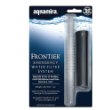
Aquamira Frontier Emergency Water Filter System
Microfiber
Emergency Blanket
S.O.L. Thermal
Bivvy Sack
Camelbak Thermobak Omega 3L (100oz)
Emergency Fire Starter
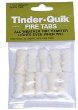
Tinder-Quik 10 pack
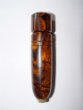
2nd Generation, Coco Bolo, Fire Piston
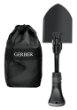
Gerber - Gorge Folding Shovel
Knife Sharpener
SOG S10B-K Tech Bowie, Black TiNi
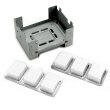
Esbit Pocket Stove
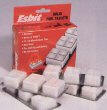
Esbit Solid Fuel Tablets
 Light
My Fire Titanium Spork
Light
My Fire Titanium Spork

CELOX First Aid Temporary Traumatic Wound Treatment 2g, 10-Pack
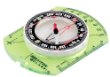
Brunton Classic Compass